
Ecommerce SEO Support Services
- We possess the expertise to pinpoint the issues that need addressing and implement superior solutions to resolve them effectively.
- We categorize SEO issues based on their impact on rankings and prioritize them accordingly for resolution.
- We consider factors such as user experience, marketing strategies, and business objectives when providing tailored solutions.

Professional SEO audits
- Comprehensive SEO assessment
- Analysis and guidance for structured data corrections
- Examination of crawling and indexing issues
- Identification of errors using Search Console data
- Recommendations for improving page speed
- Testing server responses and suggesting enhancements
- HTML code optimization instructions
- Review and recommendations for mobile friendliness
- Analysis of traffic drops and potential causes
- Instructions for optimizing images
- Backlink analysis and creation of disavow file if required by Google
- Assessment of pop-ups for compliance with Google policies
- Evaluation of SEO metrics for up to 10 competitor websites
Free SEO audits
- Evaluation of robots.txt and sitemap.xml
- Assessment of page speed with recommendations for enhancement
- Review and recommendations for URL structure
- Examination of 301 redirects
- Assessment of image alt attributes and file naming conventions
- Review of meta tags (Title, description, meta name robots)
- Evaluation of canonical tags and hreflang attributes
We excel in eCommerce SEO expertise
With search engines driving over 60% of online store traffic, optimizing your website for SEO is crucial. Achieving higher search rankings demands expertise in platform code and server optimization. Our team, with over a decade of experience in eCommerce development, specializes in identifying and swiftly resolving technical SEO and server issues. Count on us to optimize your online store, enhancing search engine rankings and boosting traffic effectively.

eCommerce SEO Audit Checklist
Page Speed
- Extensions not in use
- Code conflicts
- Lengthy requests
- Improperly configured caching
- Bot requests consuming server resources
- Uncompressed images
- Non-optimized JavaScript, CSS, and HTML files
Meta Data
- Page Title
- Meta description
- Heading structure (H1-H6)
- Image alt attributes
- Text content
- Backlink profile
- Anchor text
- Microdata (aiding bots in content classification)
Page Index
- XML sitemap
- Robots.txt file
- Categories and subcategories organization, layered navigation
- Canonical tags
- URL structure (directories and paths)
- Redirects
- Regional and language versions (hreflang tags)
Page Quality
- Location and language configuration
- Content freshness
- Inbound link count
- Content popularity (user traffic)
- Content quality assessment (reviews, aggregate ratings)
- Compliance of pop-ups with Google policies
- Website security (HTTPS, insecure JavaScript presence, etc.)
- Labels for mature content
- Signals of doorway pages
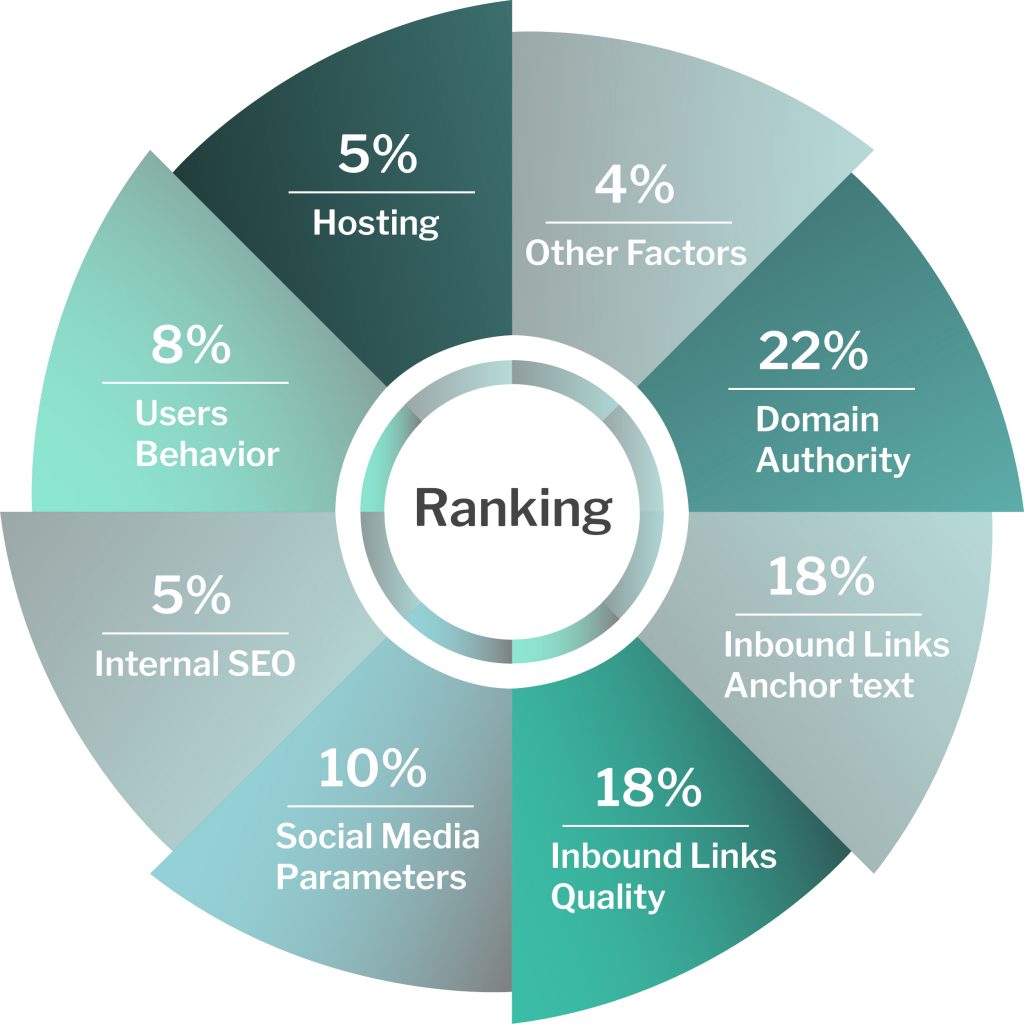
SEO Factors for eCommerce: Key Ranking Elements
Ecommerce ranking factors represent the criteria that search engines employ to evaluate the position of ecommerce websites in search results. Key elements include:
- The organization and layout of the site
- How well it adapts to mobile devices and responds to user input|
- Speed of the site’s performance and how quickly it loads
- Quality and relevance of the material
- User experience and ease of navigation
- Optimization on the page, such as meta tags, headers, and image alt tags
- Profile of backlinks and the reputation of the sites referring to it
- Involvement and engagement on social media
- Levels of security and whether HTTPS encryption is in use
- Evaluations and opinions.
Search engines utilize these and other factors to evaluate the significance, reliability, and usability of ecommerce websites and to determine where they should rank in search results. By adapting to these ranking factors, ecommerce websites can improve their search engine rankings and draw more traffic, leads, and sales.
Additional SEO Services
Ecommerce Ranking Factors
- The organization and layout of the site
- How well it adapts to mobile devices and responds to user input
- Speed of the site’s performance and how quickly it loads
- Quality and relevance of the material
- User experience and ease of navigation
- Optimization on the page, such as meta tags, headers, and image alt tags
- Profile of backlinks and the reputation of the sites referring to it
- Involvement and engagement on social media
- Levels of security and whether HTTPS encryption is in use
- Evaluations and opinions.
Server Environment Audit Tasks
- Review server hardware for compatibility with Magento.
- Evaluate PHP version and configuration settings.
- Assess MySQL version, configuration, database structure, and query performance.
- Review settings for Varnish, Redis, and caching mechanisms.
- Check for security patches and ensure all updates are current.
- Review Magento cronjobs to identify slow automatic processes.
- Evaluate settings in the Magento admin area.
Google Tools Implementation
Standard
- Google Analytics implementation** (1)
- Google Tag Manager setup (0,5)
- Google Search Console setup (0,5)
- Google Shopping feed (Google Merchant Center). Purchase of Data Feed Manager (Wyomind) extension, installation, and configuration. (8-10)
Extended
- Google Analytics implementation**. Welt Pixel extension installation, and configuration (Enhanced Ecommerce Tracking). (7-9)
- Google Tag Manager setup (0,5)
- Google Search Console setup (0,5)
- Google Shopping feed (Google Merchant Center). Purchase of Data Feed Manager (Wyomind) extension, installation, and configuration. (8-10)