
AI vs Human Intelligence: Who’s Smarter in 2025?
Introduction
As we step into 2025, the line between artificial intelligence (AI) and human intelligence is getting blurrier. From AI writing entire articles to diagnosing diseases faster than doctors, we’re seeing machines match or even surpass human capabilities in certain fields. But does that mean AI is smarter than us? This blog explores the key differences, real-world examples, and what the future holds in the ongoing race between human brains and artificial minds.
What is Artificial Intelligence?
Artificial Intelligence is the ability of machines to mimic human cognitive functions like learning, reasoning, and problem-solving. Modern AI uses deep learning, natural language processing, and large datasets to make decisions. For example, AI tools like ChatGPT can write emails, answer questions, or code software. AI in healthcare is detecting diseases from X-rays faster than radiologists. It’s fast, accurate, and tireless—but is that the same as true intelligence?
What is Human Intelligence?
Human intelligence is our natural ability to think, reason, learn from experience, and apply emotional understanding. It includes creativity, empathy, ethics, and common sense—qualities that machines still struggle to replicate. Humans can adapt to new situations without prior data, something AI can’t do well without training. Think of a teacher adjusting to a student’s mood or a doctor sensing something wrong from intuition. That’s human intelligence in action.
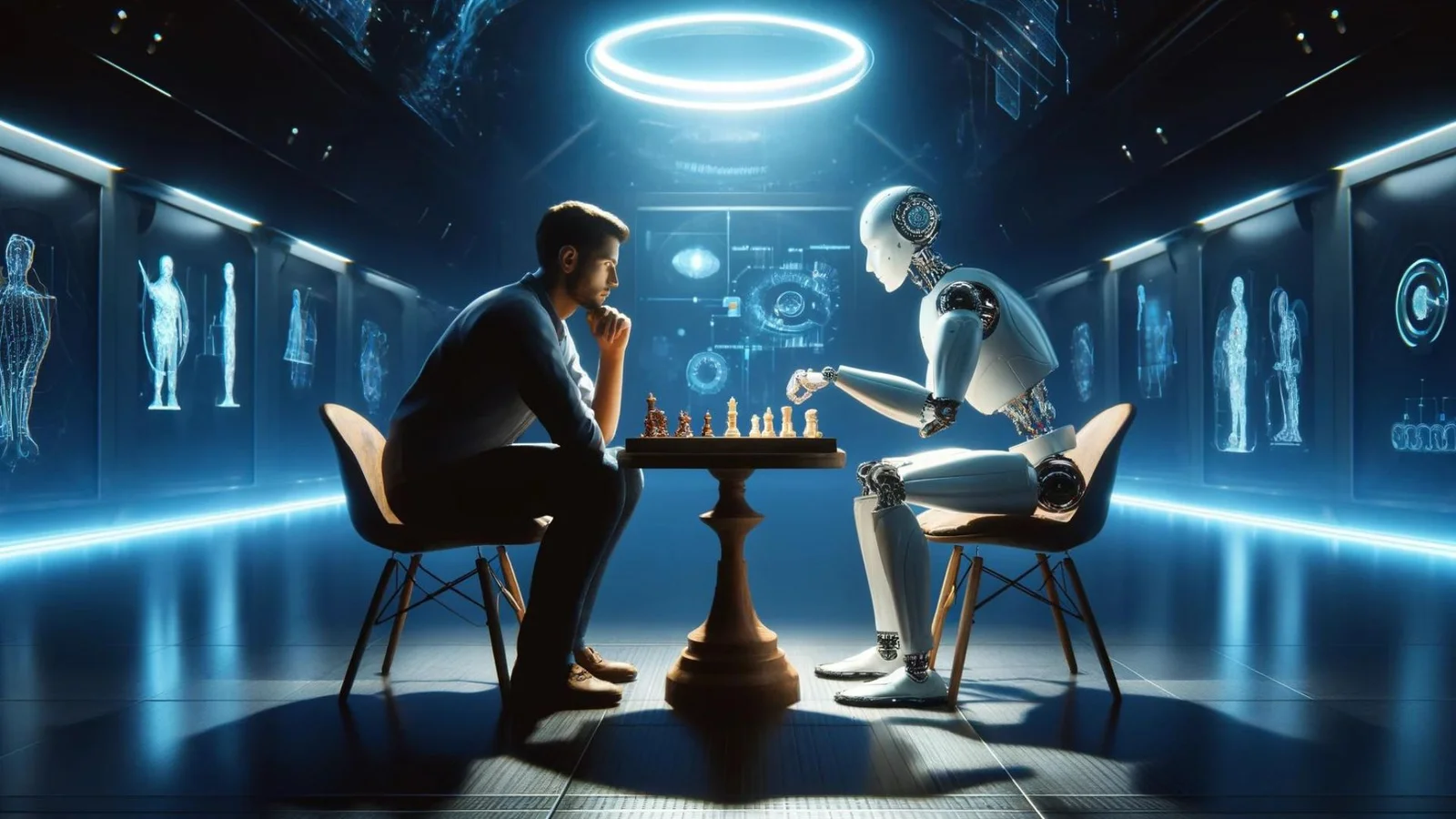
AI vs Human Intelligence: A Head-to-Head Comparison
Real-World Examples
AI in Healthcare: IBM’s Watson can recommend treatments by analyzing medical records quickly.
AI in Finance: Algorithms predict market trends, but lack emotional intelligence for risk judgment.
Human in Creative Fields: Artists, writers, and designers use personal emotion and perspective—something AI-generated content still lacks.
Human in Leadership: Empathy, persuasion, and conflict resolution are deeply human traits that no AI can yet match.
Limitations of AI
Despite its speed and data power, AI has major limitations. It:
- Can’t feel emotions
- Doesn’t understand context fully
- Has no sense of morality or ethics
- Is dependent on data quality and coding logic
- Can reinforce biases if trained on flawed datasets
AI may simulate intelligence, but it doesn’t understand the way we do. If a child asks “Why is the sky blue?”,
a human explains with empathy and simplification—an AI gives a factual, robotic answer.
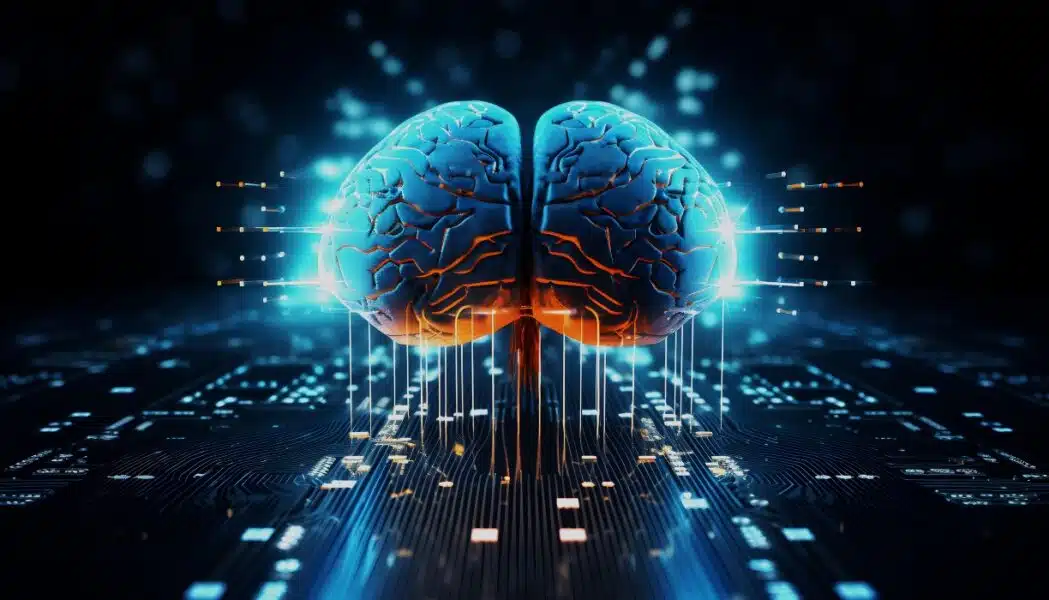
The Future: Collaboration, Not Competition
So, who wins? The truth is—AI isn’t replacing humans, it’s enhancing us.
Think of AI as a tool that extends human potential:
- Doctors use AI for diagnosis but still deliver care with empathy.
- Writers use AI for drafts but infuse it with human tone.
- Leaders use AI for insights but make decisions based on values.
The future belongs to those who can combine AI’s strengths with human judgment—not one or the other.
Conclusion
In 2025, AI may be faster, more accurate, and tireless—but humans are still smarter in ways that matter most. We bring emotion, ethics, creativity, and empathy to the table—qualities that AI lacks.
Rather than asking “Who’s smarter?”, a better question is:
“How can AI and human intelligence work together to build a smarter world?”
Because the smartest future will be built by humans with AI, not by AI alone.