
Understanding Predictive Analytics and How Businesses Use It
Introduction
In today’s data-driven world, businesses are not just looking at what happened in the past—they want to know what will happen next. That’s where predictive analytics comes into play. It’s a powerful tool that uses data, statistical algorithms, and machine learning techniques to identify future outcomes based on historical data. From marketing campaigns to risk management, predictive analytics is helping companies across industries make smarter decisions. It transforms raw data into actionable insights that drive growth, reduce costs, and improve customer satisfaction. As technology evolves, predictive analytics is becoming a game-changer in modern business strategy.
What is Predictive Analytics?
Predictive analytics refers to the use of data and algorithms to forecast future events or behaviors. Unlike descriptive analytics, which focuses on understanding past performance, predictive analytics aims to look forward and answer: What’s likely to happen next? It combines various techniques like data mining, statistical modeling, artificial intelligence, and machine learning. The goal is to recognize patterns and relationships within data to make informed predictions. Whether it’s customer churn, product demand, or credit risk, predictive analytics provides a reliable foundation for anticipating future scenarios.
How Predictive Analytics Works
The process begins with collecting large sets of historical and real-time data from different sources like CRM systems, sales records, social media, or IoT sensors. This data is then cleaned and organized before being run through predictive models. Common techniques include regression analysis, decision trees, neural networks, and clustering algorithms. These models are trained to detect trends and make predictions about future events. As more data is fed into the system, the models improve in accuracy over time. Many modern platforms also integrate visualization tools to help users interpret the insights more easily.
Real-World Business Applications
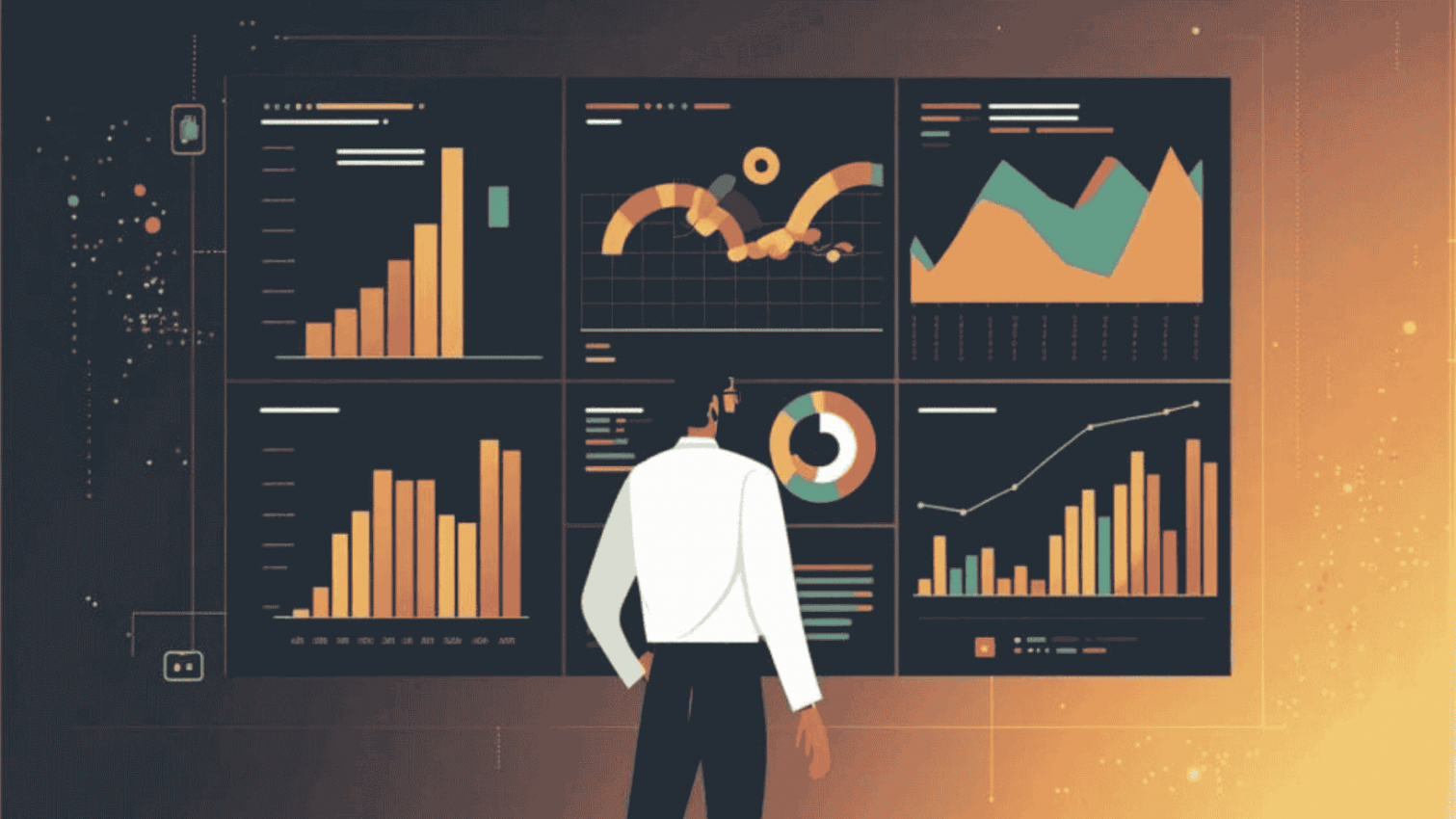
Predictive analytics is already transforming how companies operate. In retail, it helps forecast product demand and personalize marketing campaigns based on buying behavior. Banks and financial institutions use it to detect fraudulent transactions or assess credit risk before approving loans. In healthcare, predictive models assist in diagnosing diseases earlier by analyzing patient data. Supply chain managers rely on it to anticipate disruptions and manage inventory more efficiently. Even sports teams now use predictive analytics to optimize performance strategies and reduce injuries. Its applications are endless and constantly evolving.
Benefits of Predictive Analytics
The main advantage of predictive analytics is informed decision-making. It reduces guesswork and enables businesses to act with confidence. Predictive models help improve efficiency, save costs, and increase profitability by identifying opportunities and preventing risks. It enhances customer experience by enabling personalized offers, better service, and proactive engagement. In operational planning, it streamlines processes and boosts productivity. For industries like insurance or logistics, predictive insights can even mean the difference between loss and profit. Ultimately, it allows businesses to stay competitive in an increasingly dynamic market.
Challenges and Considerations
While predictive analytics offers many advantages, there are also challenges to consider. First, the quality of predictions depends heavily on the quality of data. Inaccurate or incomplete data can lead to poor results. Second, building and maintaining predictive models require skilled professionals like data scientists and analysts. There’s also the concern of data privacy and ethical use, especially when dealing with sensitive customer information. Overreliance on predictions without human judgment can also lead to unintended consequences. Businesses must combine analytics with strategic oversight to achieve the best outcomes.
Common Business Use Cases of Predictive Analytics
The Future of Predictive Analytics
As technology advances, predictive analytics is expected to become even more powerful and accessible. With the rise of real-time analytics, AI, and big data, predictions will become faster and more accurate. Self-learning systems will continuously improve themselves without manual input. Predictive tools will be embedded in more everyday business software, making it easier for non-technical users to make data-driven decisions. Industries such as healthcare, education, transportation, and smart cities will increasingly rely on predictive technologies to plan for future needs. The future is not just about reacting—it’s about anticipating.
Conclusion
Predictive analytics is no longer a luxury—it’s a necessity for businesses that want to stay ahead in today’s fast-paced digital landscape. By leveraging historical data and advanced algorithms, organizations can make smarter, faster, and more effective decisions. From reducing costs and boosting profits to improving customer relationships and operational efficiency, the impact is undeniable. While it does require the right tools, data, and expertise, the rewards far outweigh the challenges. In a world driven by information, predictive analytics offers the foresight that fuels innovation and growth.